A colostomy reversal is surgery that closes a child’s stoma and reconnects the bowel so stool can pass through the usual route again. For families managing anorectal malformations (ARM) or Hirschsprung disease, it is often the last step in a staged repair. It is a real abdominal operation, but it is also a planned transition: the surgeon checks that healing, bowel length, and bowel control make reconnection safe before setting the date.
Colostomy reversal happens when healing makes reconnection safe
A temporary colostomy lets stool leave the body through the belly while an earlier repair heals. Children with ARM or Hirschsprung disease may have this staged approach, and some babies who needed surgery for necrotizing enterocolitis (NEC) also get a temporary stoma. The timing is different for every child because it depends on the diagnosis, the earlier surgery, and how well the child has healed.
For many children with ARM, the colostomy can be closed about 8–12 weeks after a PSARP repair, once the child has completed the anal dilation plan. At one children’s center, closure is described at about 2 months after PSARP, when the new anus has healed. In a study of children with Hirschsprung disease, closure took place 2–6 months after a laparoscopically assisted Swenson pull-through. In a large pediatric series, the median interval from the first operation to stoma closure was 62 weeks, which shows why a family’s own timeline may be much longer or shorter.
Before the ARM repair, a distal colostogram (an X-ray with contrast through the lower stoma) helps the team see the type of malformation, any fistula, and the distance to the perineum. Reversal may need to wait if the bowel has not healed well, there is not enough bowel for a safe connection, sphincter muscles are weak, or a child is not well enough for another abdominal surgery. With a weak sphincter, the risk of incontinence after reversal can be higher.
Preparation starts with the bowel plan and an honest explanation
Ask the surgical team for the exact preparation instructions. In many cases, children have a 3-day bowel preparation to empty the bowel and reduce pressure on the new connection. At some centers, selected children have preoperative stretching of the unused distal bowel, but this is a team-directed plan rather than something to begin at home.
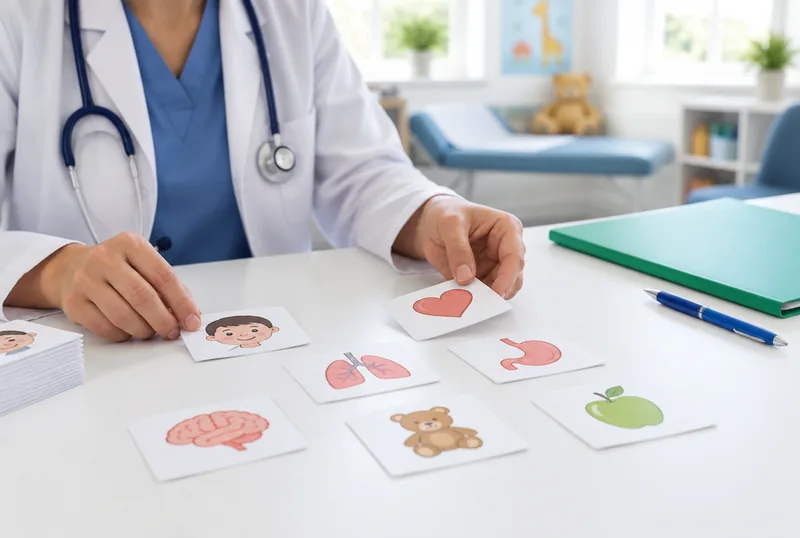
Give your child a simple explanation that fits their age. You can explain that the doctors will join the two parts of the bowel and close the opening on the belly. Practicing with medical toys, using a visual schedule, and choosing a coping tool such as slow breathing or distraction can make the hospital steps less mysterious. Child Life therapists may use medical play, peer-modeling videos, and visual schedules to help children prepare.
Make a plan for siblings, too. Keep routines as familiar as possible, tell them who will care for them, and give age-appropriate reassurance about the hospital stay. A drawing, card, or visit can help them stay connected to their brother or sister.
During reversal surgery, the surgeon reconnects the two bowel ends
- The surgeon makes an incision around the stoma and reaches the bowel.
- Both bowel ends are carefully freed. The stoma edge is removed, and sometimes more bowel needs to be removed.
- The surgeon joins the ends in an end-to-end connection, called an anastomosis. It may be hand-sewn or stapled.
- The bowel returns to the abdomen, the abdominal wall is closed in layers, and the skin is closed. A purse-string skin closure is often used to lower infection risk.
The surgery usually lasts 2–3 hours; one large pediatric study found a median operating time of 108 minutes. The type of stoma matters. To reverse a loop colostomy, the surgeon may use a smaller cut at the stoma site without opening the abdominal cavity. Closing an end colostomy is more involved, needs a larger incision, and has a higher complication risk.
The first bowel movement is only one milestone in recovery
After surgery, the team watches for the bowel to start moving again and decides when your child can eat. Traditional pathways kept children off food for 3–5 days. Newer enhanced-recovery plans often start clear fluids or breast milk within 24–48 hours, and studies found early feeding safe and helpful. Your child’s plan depends on the operation and how recovery goes.
In one pediatric study, the first bowel movement came after 3.2 days on average, with the middle half of children passing stool between 2.2 and 3.8 days. That average is not a deadline. In a study of children who had distal bowel stretching before closure, the first stool came sooner: 35 hours rather than 65 hours in the comparison group.
| Situation | Reported hospital stay |
|---|---|
| Loop colostomy reversal | Average 2–5 days |
| Enhanced Recovery After Surgery pathway | Average 3.8 days; range 2–5 days |
| Traditional care pathway | Average 7.3 days; range 5–11 days |
Frequent stools and sore skin are common after the stoma closes
Stools are usually frequent and loose in the first days. The colon is readjusting after months without use, and antibiotics can affect it, too. Many children have 5–10 or more bowel movements a day during the first weeks. Stools usually become more formed over several weeks. After that, constipation can become the next issue to watch with the care team.
Protecting the skin can make this stretch more manageable. Change a diaper right after each stool. Clean with water and mild soap, do not rub, and let the area air-dry. A zinc oxide barrier cream helps protect the skin. Avoid wipes with alcohol or fragrance; water wipes or a soft cloth dampened with water are gentler choices.
Follow your surgical team’s food instructions. Common recovery foods include protein foods such as fish, meat, eggs, and beans; dairy; rice, bread, pasta, and potatoes; and fruits and vegetables. Early on, citrus, spicy foods, fatty meals, cabbage, onions, and carbonated drinks may be avoided because they can worsen irritation, gas, or loose stool.
Complications need context and a clear call plan
Possible complications of reversal surgery include wound infection, an anastomotic leak at the bowel connection, bowel obstruction, ileus, and diarrhea. Dense adhesions and a mismatch in the size of the two bowel ends can make surgery more difficult. Because a stoma closure is serious surgery, you should leave the hospital knowing exactly whom to call and how to reach urgent help.
Complication rates vary widely between studies because the children, diagnoses, and definitions differ. In one series of 673 children, 32.5% had a postoperative complication. Among those complications, wound infection made up 37.8%, anastomotic leak 15.1%, obstruction or ileus 9.6%, and diarrhea 8.2%. By comparison, an ARM study of 72 children reported an 8% overall complication rate, and an ARM registry of 2,043 children reported 12%.
Three common worries deserve a more precise answer
“A successful reversal means bowel habits will be normal right away.”
Not usually. Frequent loose stools are expected at first, and many children need several weeks for stools to become more formed. Later, some children with ARM need a bowel management program, often around age 3, to establish a predictable daily bowel routine.
“One percentage tells us what will happen to my child.”
Reported success rates for pediatric colostomy reversal are commonly 95–98%, but a general percentage cannot predict one child’s outcome. The underlying condition, previous surgery, bowel healing, and associated anomalies all matter.
“A stoma shortens life expectancy.”
A colostomy or stoma does not lower life expectancy by itself. The long-term outlook depends on the underlying condition. For children with ARM or Hirschsprung disease who have a successful closure and no severe associated anomalies, the long-term outlook is generally good. Even so, the underlying conditions can be complex: one report gives revision-operation rates of 25% for ARM and 45% for Hirschsprung disease.
Frequently Asked Questions
How serious is colostomy reversal surgery?
It is an abdominal operation with risks such as wound infection, anastomotic leak, and obstruction or ileus. The individual level of risk depends on the child’s condition, previous surgery, and healing, so the surgeon is the right person to explain the plan.
What percentage of colostomy reversals are successful?
Pediatric reports commonly give success rates of 95–98%. That range is useful context, not a guarantee for an individual child.
What is the recovery time for a colostomy reversal?
After a loop colostomy closure, reported hospital stays range from 2–5 days; traditional care pathways can take longer. The first bowel movement often comes after about 3 days, and stool patterns can take several weeks to settle.
What changes in bowel habits should we expect after reversal?
Your child may have 5–10 or more loose bowel movements a day in the first weeks. Stools usually become more formed over several weeks, and constipation may need attention afterward.
What affects life expectancy after a stoma reversal?
The reversal or stoma does not reduce life expectancy by itself. The long-term outlook is tied to the child’s underlying condition and overall health.
When should I contact a doctor after colostomy reversal?
Use the surgical team’s written instructions for routine concerns and urgent care. Call the team whenever you are worried, and especially if the wound turns red, swollen, or leaks, the belly becomes swollen or hard, your child vomits, passes no stool or gas, or has a fever. Seek urgent care when the team’s instructions tell you to.